
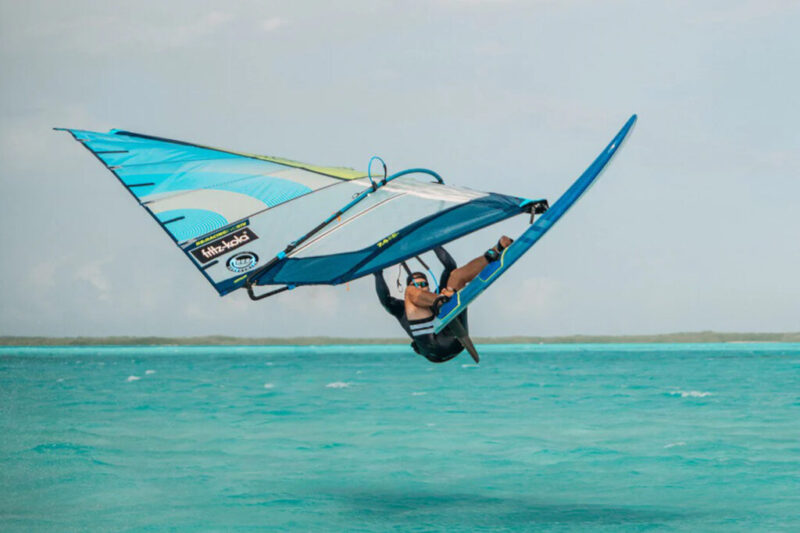
How to Prepare Windsurfing Lessons in Bonaire
A quiet, shallow bay can turn a first encounter with windsurfing from intimidating into unforgettable. Knowing how to prepare windsurfing lessons before you arrive gives you more room to enjoy the feeling that matters most: gliding over warm Caribbean water with the trade winds at your back.
Bonaire is especially inviting for beginners and returning windsurfers because learning can feel less like a test of athletic ability and more like a beautifully paced island experience. A little preparation helps your instructor tailor the session to you, protects your energy, and lets the day unfold with ease.
Begin With the Experience You Want
Before booking a lesson, decide what success looks like for you. For a complete beginner, that may simply mean standing comfortably on the board, understanding wind direction, and sailing a short distance under control. If you have tried windsurfing before, your goal may be refining your turns, gaining confidence in stronger wind, or learning to plane.
Share that goal honestly when arranging your session. There is no advantage in presenting yourself as more experienced than you are. A well-matched lesson feels calm and progressive, while a lesson that moves too quickly can leave you tired and discouraged.
Consider the pace you would enjoy as well. A private lesson offers focused guidance and greater flexibility, which can be especially appealing for couples or travelers who prefer a more personal setting. Small-group instruction brings a sociable energy and can be a lovely choice for families or friends. Neither is inherently better. The right format depends on whether you value individual attention, shared laughter, or a balance of both.
Choose a Time That Suits Your Energy
Windsurfing uses more of the body than many guests expect, particularly the legs, core, hands, and shoulders. Schedule an early lesson if you feel freshest in the morning and would like to keep the afternoon open for a long lunch, a massage, or time by the water. A later session may suit guests who prefer an unhurried breakfast and a slow start.
Avoid placing your first lesson immediately after a long flight, a demanding dive, or a late evening. You do not need to arrive in peak athletic condition, but you will enjoy learning more when you are rested, hydrated, and present.
Understand the Conditions, Not Just the Forecast
You do not need to study weather charts to prepare well. Your instructor will assess the conditions and select appropriate equipment. Still, it helps to understand that wind strength, direction, and water depth shape the character of each lesson.
Gentle to moderate wind is generally ideal for building foundational skills. It allows you to feel how the sail pulls without asking you to fight for balance. Stronger conditions can be exciting for experienced riders, but they are not always the best environment for a first session. The most memorable lesson is not necessarily the windiest one. It is the one where you feel safe enough to try, fall, laugh, and try again.
In Bonaire’s protected waters, shallow areas can provide welcome reassurance for beginners. Being able to step off the board and stand in the water changes the emotional equation of learning. It gives you space to reset rather than rush.
If weather prompts a change in timing, treat it as good judgment rather than a disruption. An experienced watersports team adjusts plans to give each guest the best possible conditions, not simply the fastest possible start.
What to Bring for a Comfortable Lesson
Your windsurfing school will provide the board, sail, and safety equipment. Your role is to arrive prepared for sun, water, and movement. Wear a swimsuit or athletic swimwear that stays comfortable when you bend, kneel, and climb onto a board. A rash guard or lightweight long-sleeve swim top is an excellent choice for additional sun protection.
Bring reef-safe sunscreen, apply it before the session, and reapply afterward. Sunglasses with a secure strap can be useful, though some beginners prefer to leave them ashore until they feel settled on the board. A hat is best saved for before and after the lesson unless it fits securely and does not interfere with your view.
Hydration deserves more attention than it usually receives on vacation. Tropical breeze can make the sun feel milder than it is, while windsurfing steadily uses energy. Drink water beforehand, and keep a bottle ready for when you return to shore. If you are prone to blisters, mention it. Your instructor may be able to suggest ways to position your hands or manage your grip more comfortably.
Leave jewelry, loose cover-ups, and valuables in your room. The less you need to think about protecting, the more freely you can focus on the water.
Prepare Your Body Without Overtraining
You do not need a special fitness program for a beginner windsurfing lesson. Basic mobility, balance, and a willingness to get wet are enough to begin. That said, a few simple habits in the days before your session can make the experience more pleasant.
Take walks, swim gently, or stretch your shoulders, hips, and hamstrings. These are not performance rituals. They simply help your body feel open and responsive. If you have an injury, limited shoulder movement, back sensitivity, or concerns about balance, communicate them before the lesson begins. Good instruction can be adapted, but only when your instructor knows what support you need.
Eat something light and satisfying one to two hours beforehand. A heavy meal may feel uncomfortable once you are moving on the board, while an empty stomach can leave you low on energy. Think fresh fruit, yogurt, eggs, toast, or another easy breakfast that suits you.
Arrive Ready to Learn, Not to Perform
The first skill in windsurfing is not speed. It is patience. Most beginners spend time learning how to carry the equipment, climb onto the board, find a stable stance, and raise the sail. These small movements are the foundation for everything that follows.
Expect to fall in. Falling is not a sign that you are behind. It is part of discovering where your balance is, how the wind responds, and how to recover without frustration. Your instructor will show you how to fall away from the equipment and how to return to the board safely.
Listen closely during the shore briefing, particularly when your instructor explains wind awareness, right of way, and the boundaries of the learning area. Once you are on the water, it is easy to remember the feeling of the sail but forget a verbal detail. Ask questions before launching, and ask again if something feels unclear. The most confident students are rarely the ones who pretend to know everything.
Let Technique Replace Tension
New windsurfers often grip the boom too tightly and try to pull the sail toward them with their arms. It is a natural reaction, but it creates fatigue quickly. Good technique relies more on stance, body position, and feeling the wind through relaxed hands.
Give yourself permission to progress in stages. You may spend one session sailing back and forth in a straight line and another learning to turn. That is real progress. Windsurfing rewards repetition because each small adjustment teaches your body something that words alone cannot.
Plan the Rest of Your Day Around the Water
A windsurfing lesson is more enjoyable when it is part of a well-paced day rather than one more item on a crowded itinerary. Allow time afterward to rinse off, cool down, and enjoy a relaxed meal. The combination of saltwater, sun, and new movement can be surprisingly invigorating, then pleasantly tiring.
At Sorobon Bay Hotel, that balance is part of the pleasure: an active morning on the bay followed by the comfort of a serene space, unhurried dining, and the ease of letting the island set the pace. For couples, a shared lesson can become an unexpectedly personal memory. For families and friends, it often becomes the story everyone retells at dinner.
If you are planning multiple sessions, avoid booking them on consecutive days if you know your body needs recovery. On the other hand, a second lesson within a few days can be valuable because the first session’s movements are still fresh. Your ideal rhythm depends on your energy, your goals, and how much of Bonaire you hope to experience beyond the board.
A Better First Lesson Starts With Less Pressure
The best preparation for windsurfing is practical, but it is also emotional. Bring sun protection, water, comfortable swimwear, and a clear sense of your goals. Then leave room for the unexpected: a stronger gust, a joyful tumble, or the first quiet moment when board, sail, and wind finally move as one.
Let the lesson be an invitation to slow down and pay attention. On a calm Caribbean bay, that is often where the real pleasure begins.